Darwin-based speech pathology services across the Northern Territory
Our Services
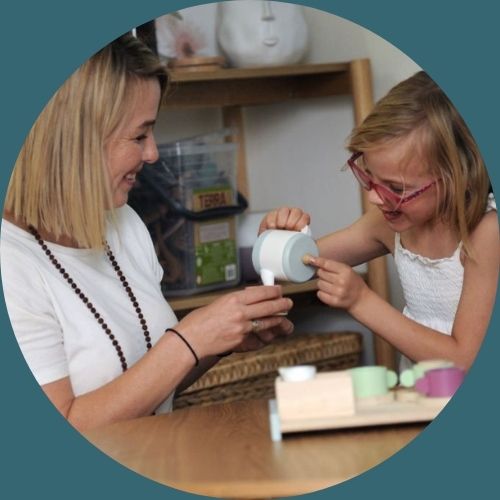
Sound Connections provides speech pathology assessment and support for children, adolescents, and adults across the Northern Territory. Services are provided with consideration of the person, their context and their environment.
Speech
Assessment and support for speech sound development, including articulation, phonological delays, and motor speech difficulties such as childhood apraxia of speech (dyspraxia).
Language
Assessment and support for understanding and using language, including expressive and receptive language. Focus areas include vocabulary development, sentence structure, following instructions, understanding questions, and organising spoken language for effective communication.
Social Communication and Pragmatics
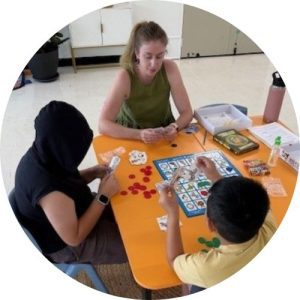
Assessment and support for social communication and pragmatic language use, including interaction, conversation, and the ability to connect and relate to others. Examples include making and maintaining friendships, initiating and maintaining conversations, turn-taking, and using language appropriately for different people and situations.
Fluency
Assessment and support for stuttering and other fluency difficulties. Focus areas include speech confidence, managing communication breakdowns, and participating in conversations across a range of settings.
Augmentative and Alternative Communication (AAC)
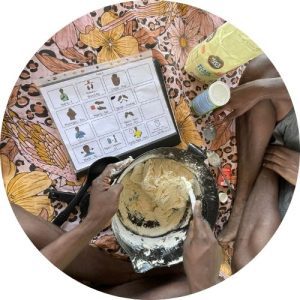
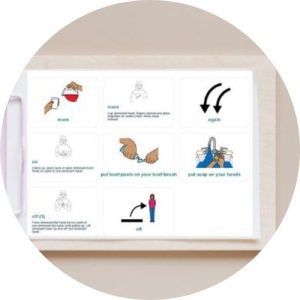
Assessment and support for Augmentative and Alternative Communication for individuals who require additional or alternative ways to communicate. This includes the use of low-tech or high-tech systems to support functional communication.
Literacy
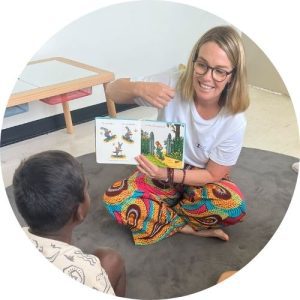
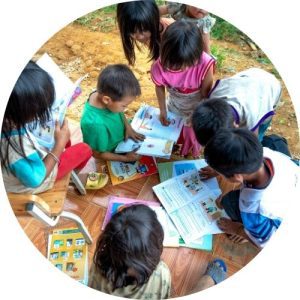
Support for language skills related to reading and writing, including phonological awareness, reading comprehension, narrative organisation, and written expression.
Mealtime Support
Assessment and support for safe and functional eating and drinking, including chewing and swallowing skills, managing food textures, and participation in mealtimes.
Services may be delivered through individual sessions, small groups, school-based or community-based support, or intensive therapy blocks, depending on individual needs and context.